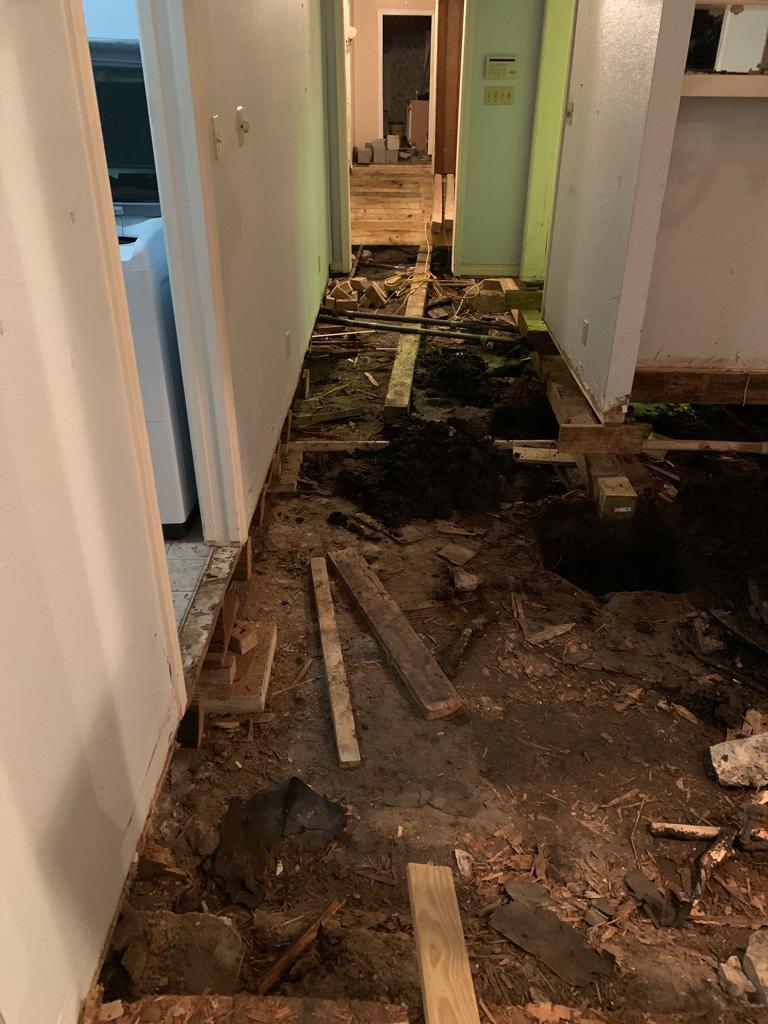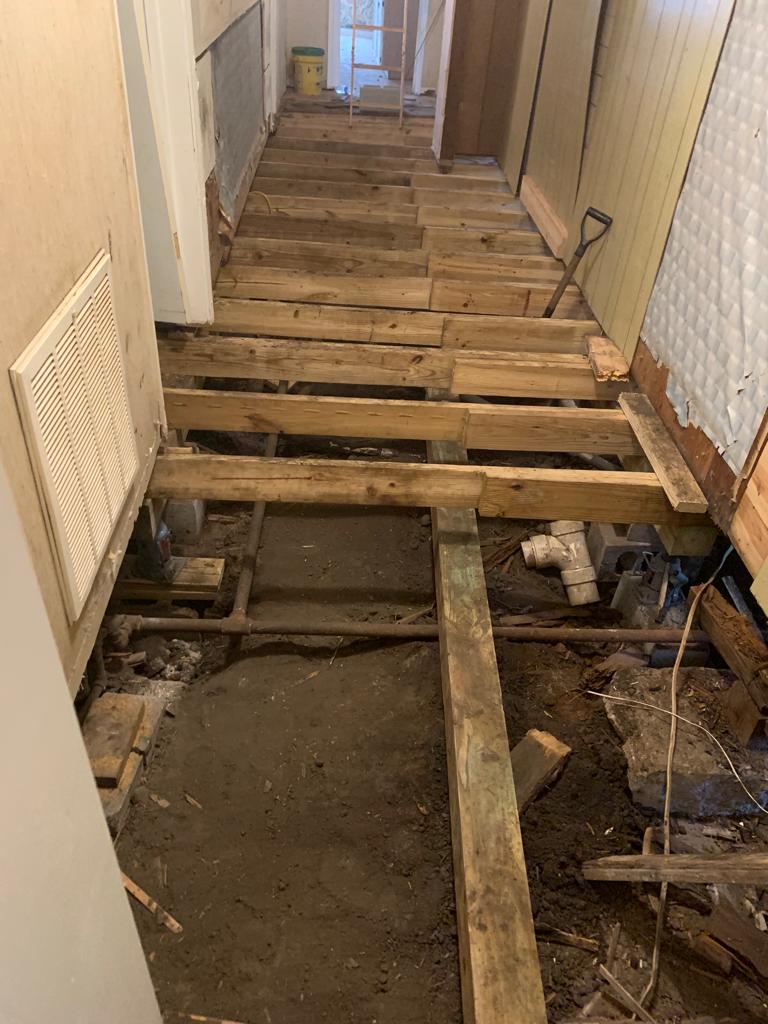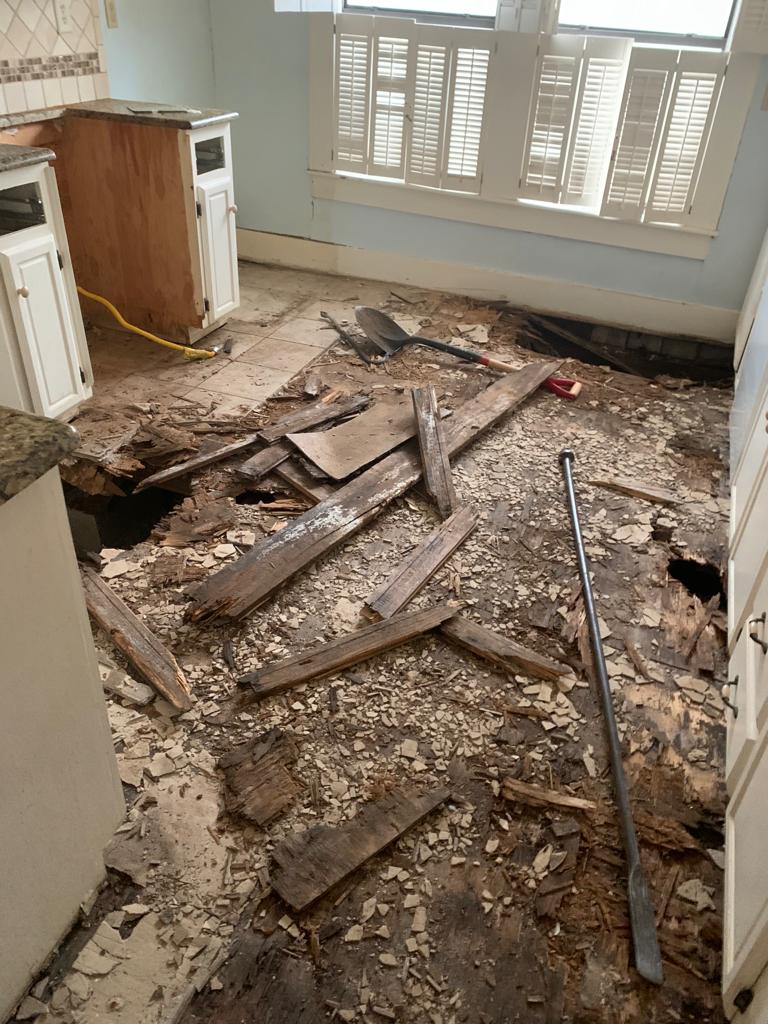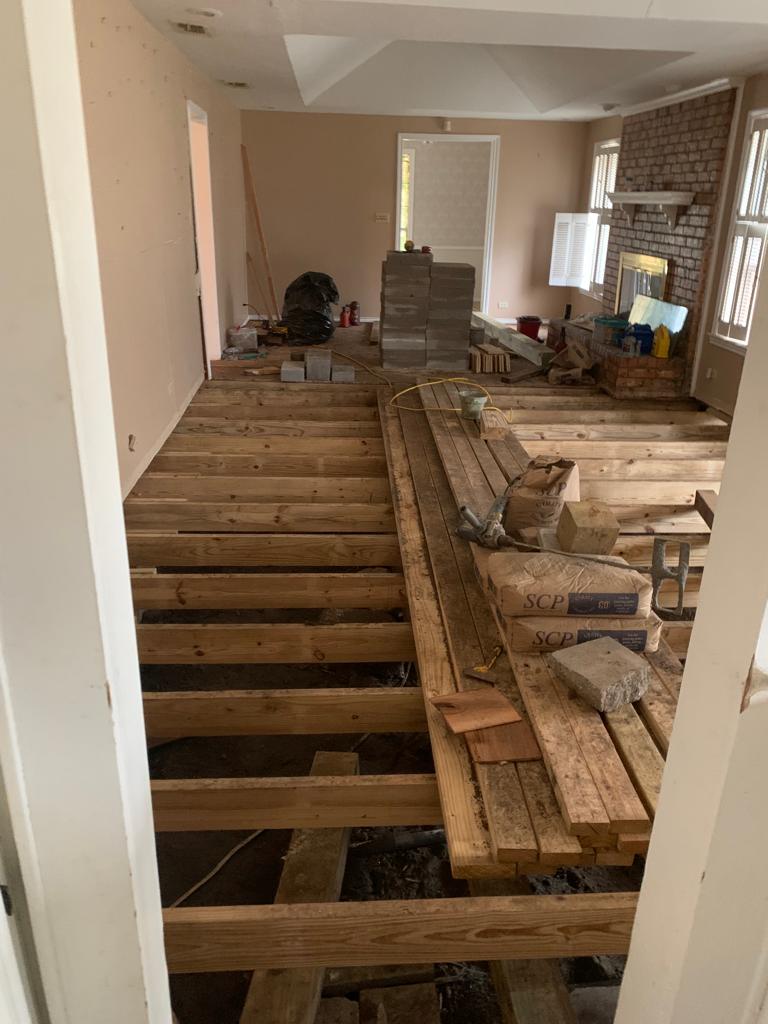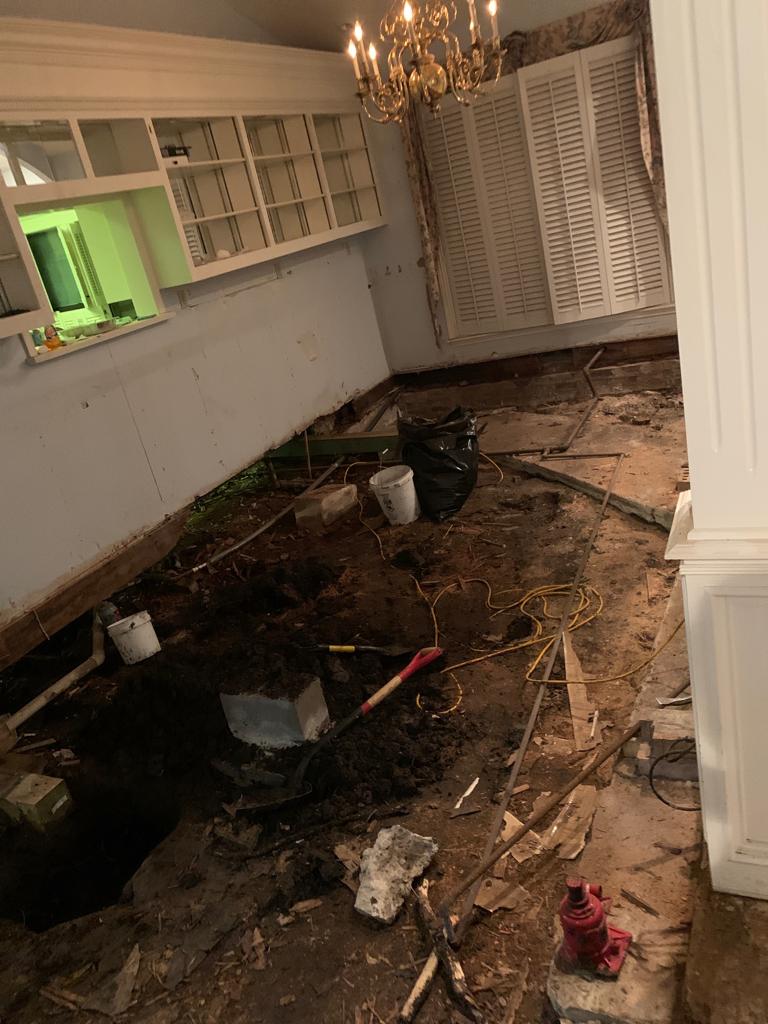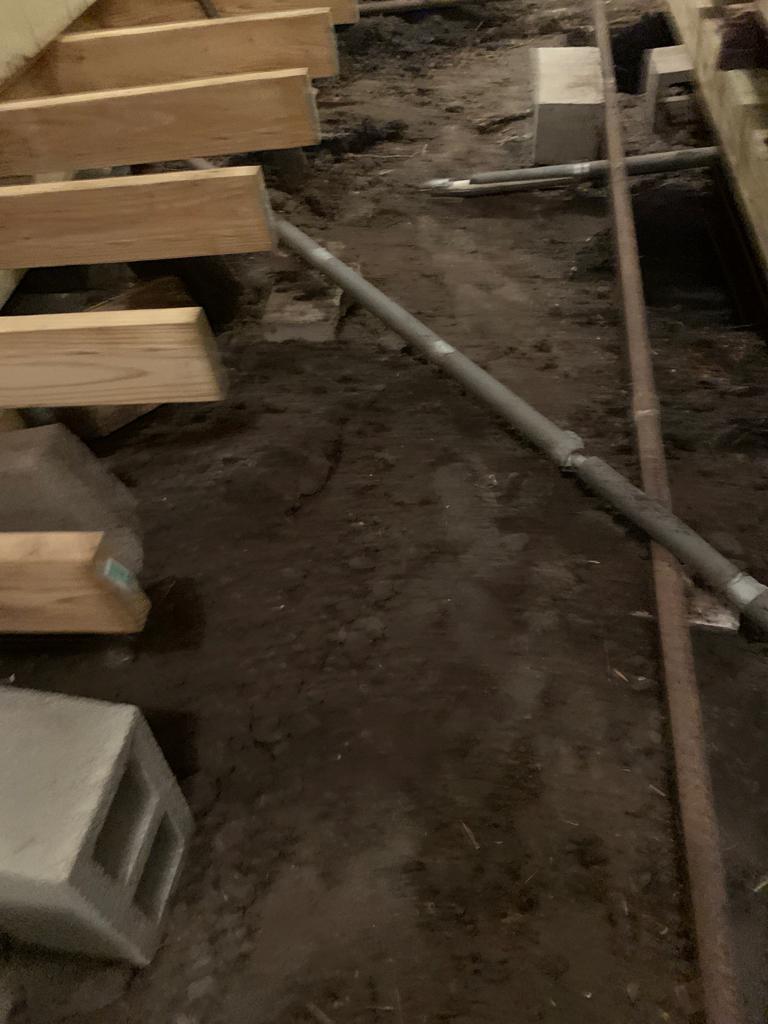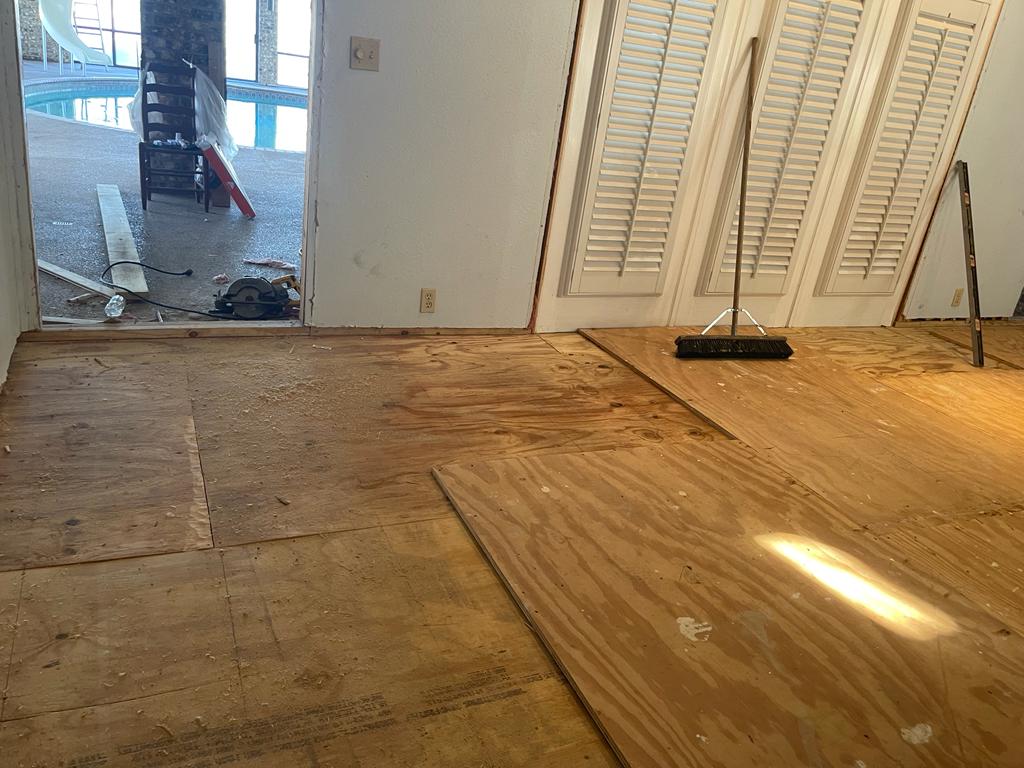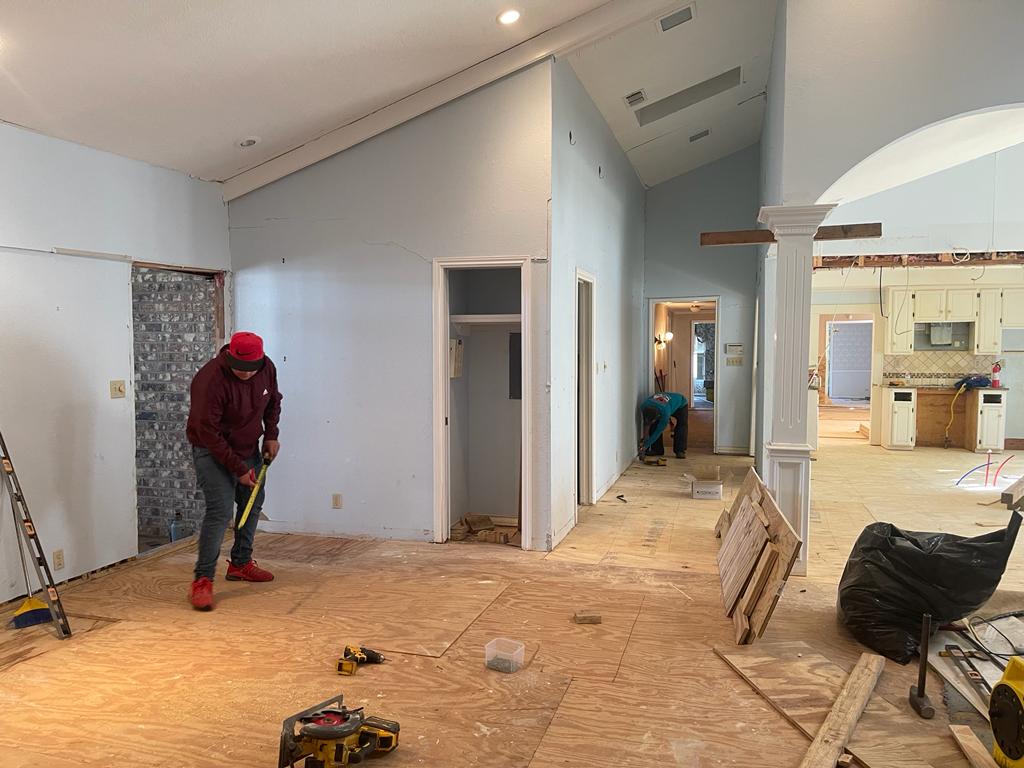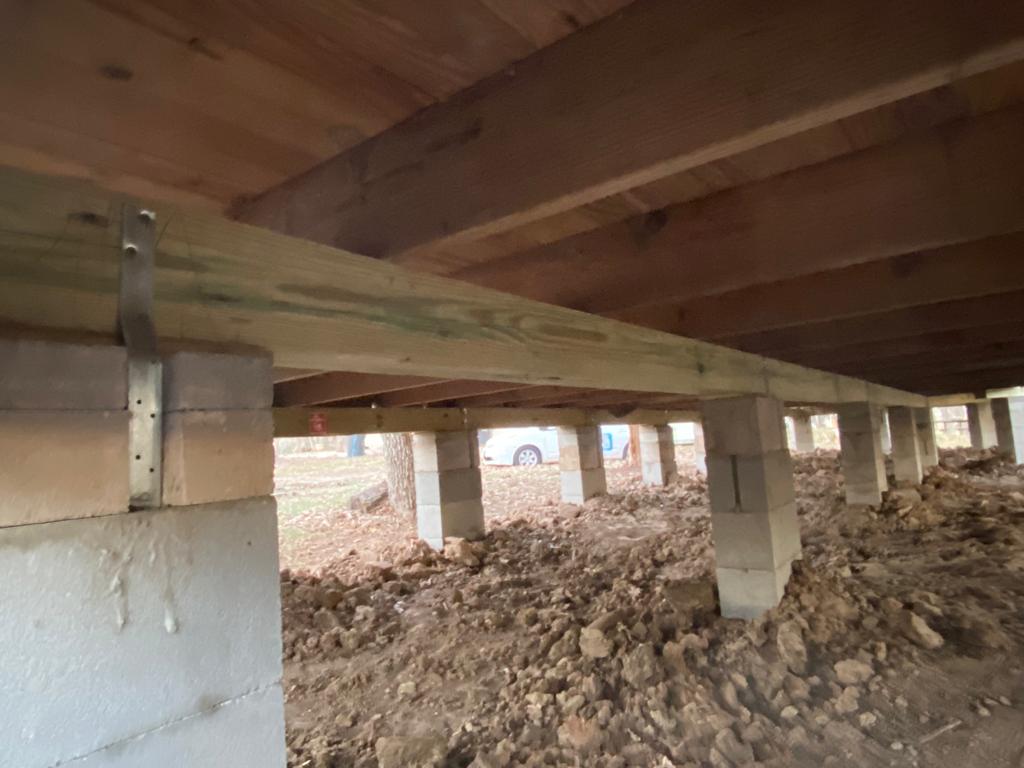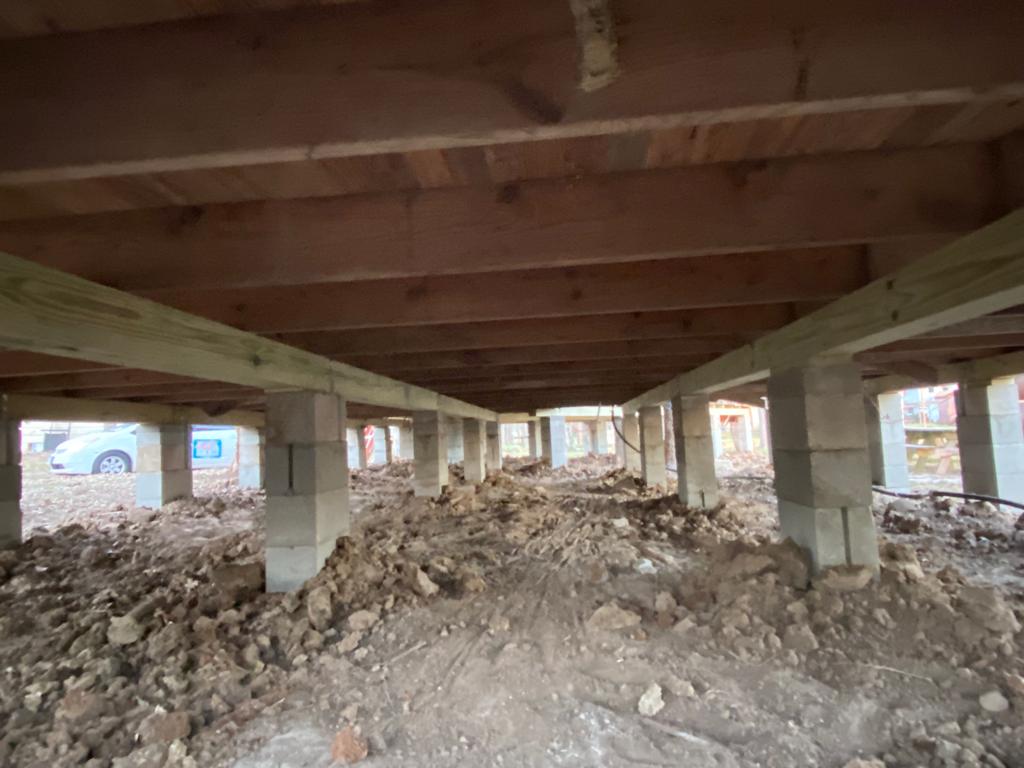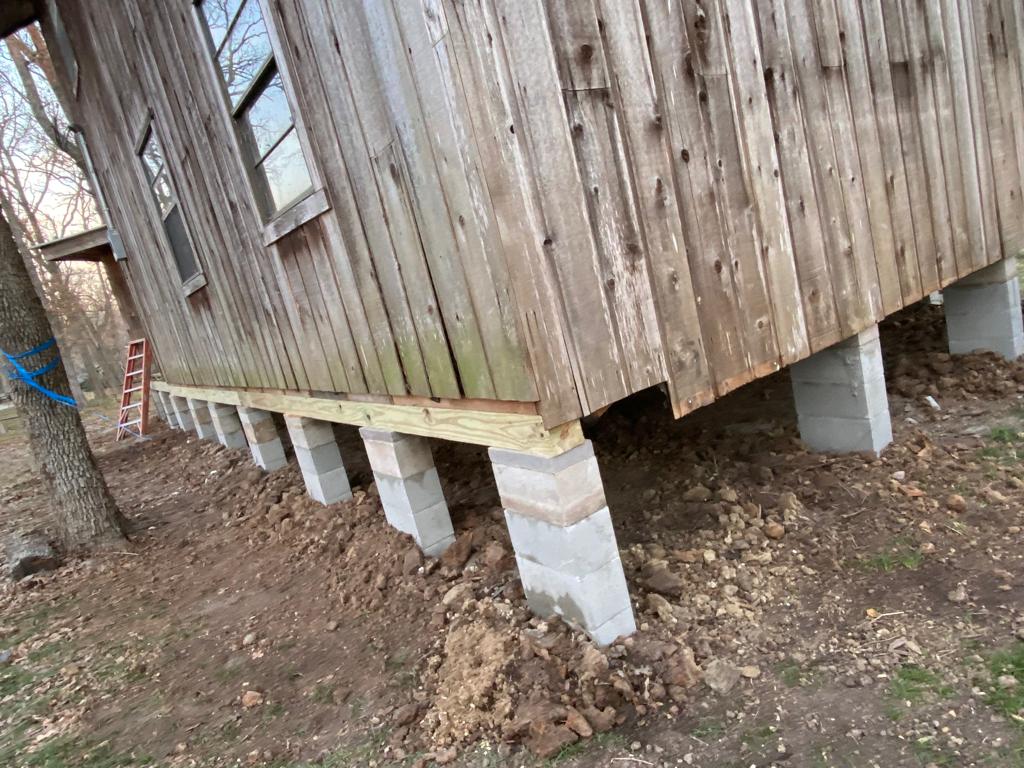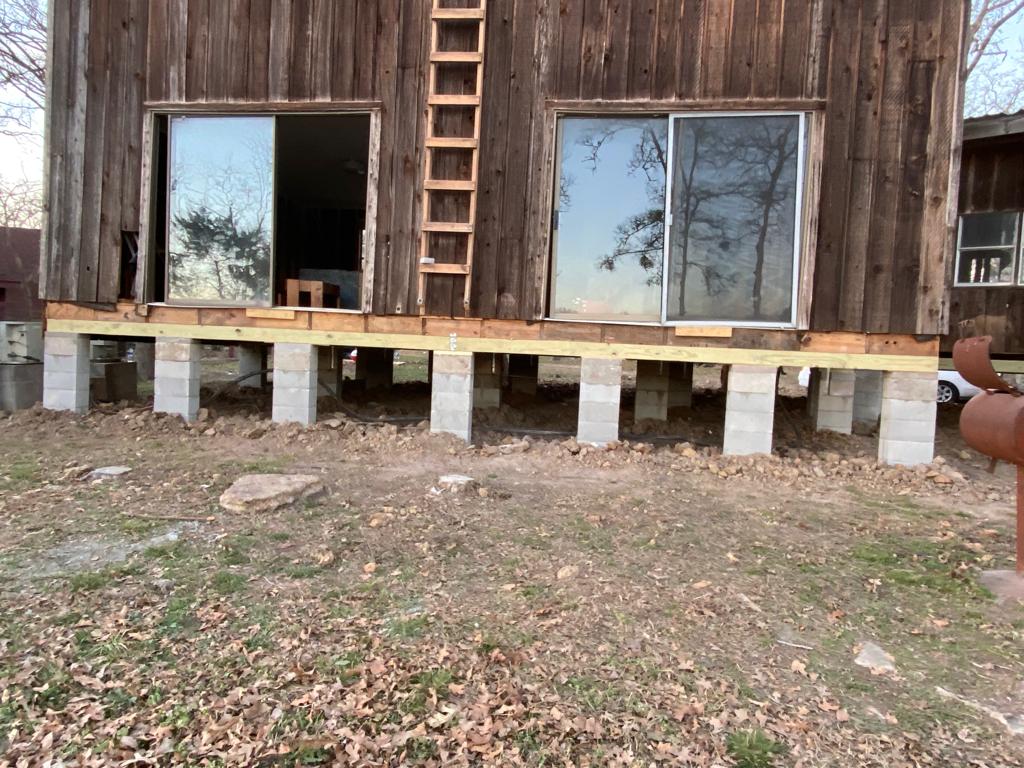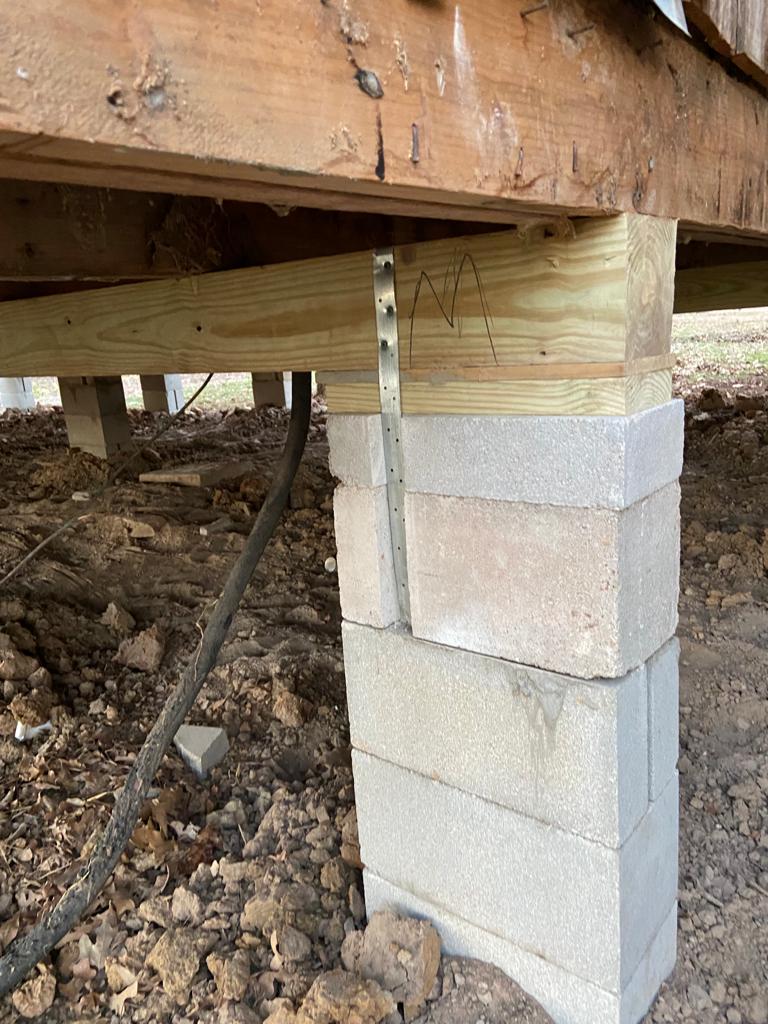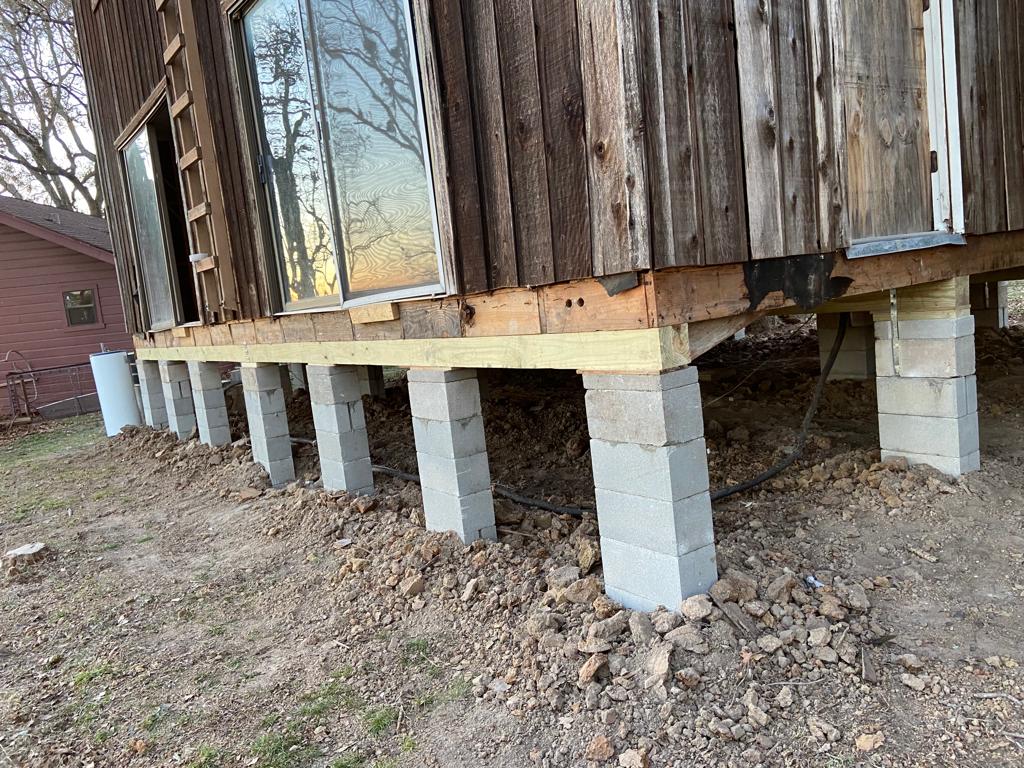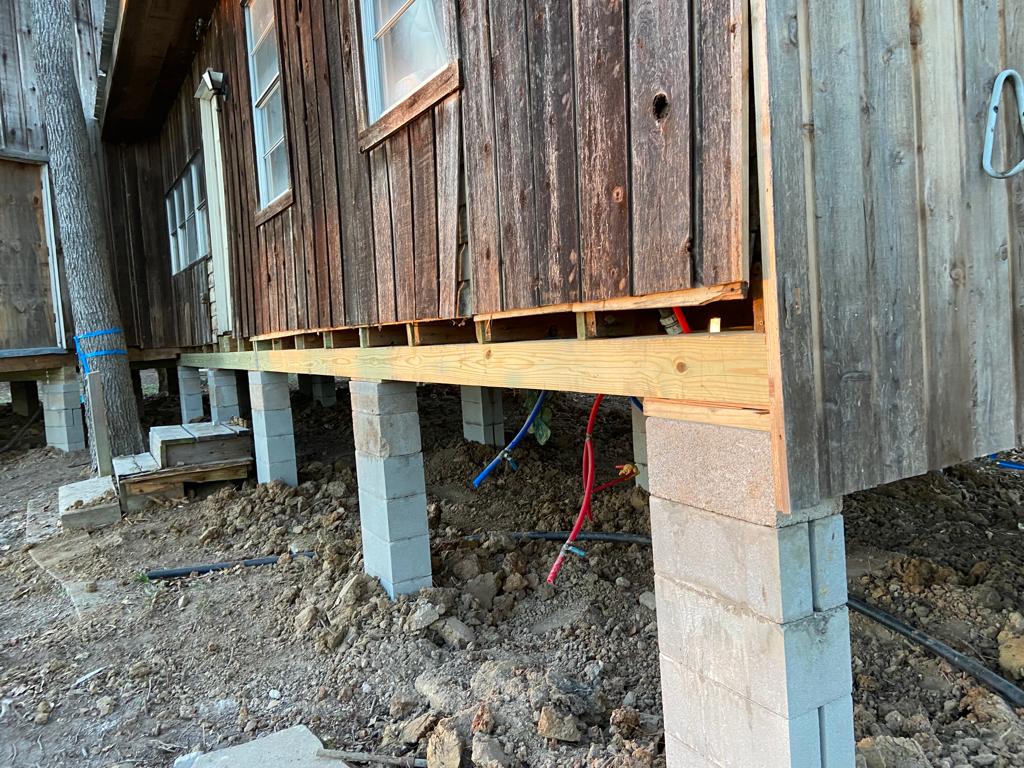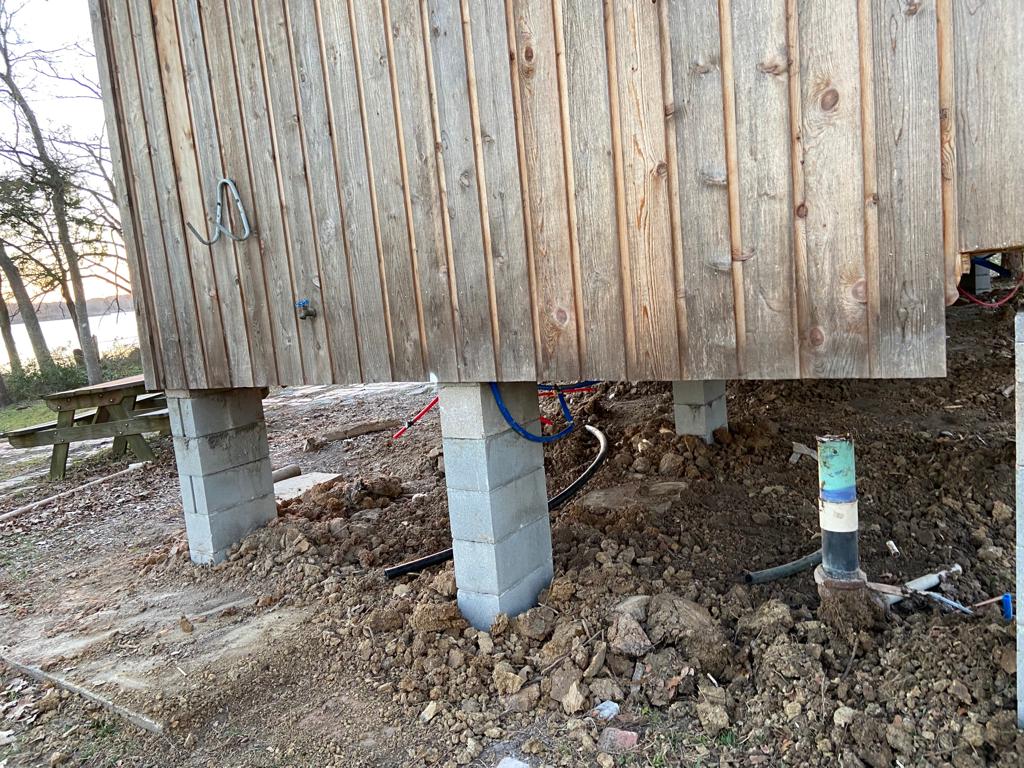
 One of the fastest ways to correct your foundation is through the support of concrete piers.
The soil is naturally shifting throughout the year as a result of the seasons. These changes cause the soil below your house to expand and contract throughout the year. In certain cases, this will result in foundation problems. Once these problems take place, they usually only get worse as the soil continues to shift.
INSTALLATION OF CONCRETE PIERS
The idea behind this approach is that we provide your foundation with additional support using concrete piers. These piers are often a quick and inexpensive alternative to other methods of foundation repair.
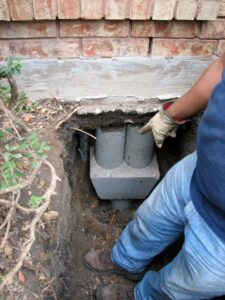
We start the installation process by digging around the damaged area of the foundation. Once we have the ability to get below the affected area, we insert hydraulic jacks to lift the foundation back to its original elevation. This allows us to insert concrete pillars just below the foundation to provide support and hold the foundation in place. Lastly, the foundation is lowered down and the areas of excavation are filled back in as they were originally.
ADVANTAGES OF CONCRETE PIERS
Concrete piers are relatively inexpensive to implement. In addition, this method is fast and allows you to get back to your daily routine around your home or office.
Our concrete piers are exceptionally strong and can hold the weight of any commercial or residential structure. This makes concrete piers an option for nearly any situation.
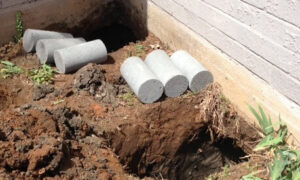
Clay particles cause the soil to be incredibly expansive. Concrete piers work exceptionally well for leveling in these conditions. Our concrete pier method works by hydraulically driving pre-casted 11,000PSI rated cylinders below your home or business to the super compacted soil, deep in the Earth. The concrete piers are a much larger than the steel piers. The large concrete piers (roughly 12″ tall by 6″) are driven deep in the earth until the pier will not go any deeper. Typically the structure will only lift or recover at that point. This is referred to as Skin Friction, which is compact soil squeezing the much larger concrete pier, deeper and deeper, into the ground.
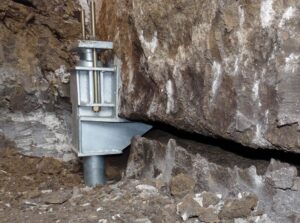 Having a strong, reliable and long-lasting foundation is of utmost importance when constructing any structure. As such, you should make an informed decision when choosing the type of pier to use. Remember, you need a foundation that will sustain a tremendous amount of weight over time. To help your decision-making process, here is an insight into the benefits offered by steel piers.
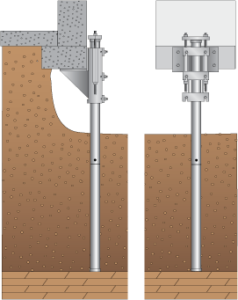
INSTALLATION OF STEEL PIERS
- A hole is excavated adjacent to the foundation wall and to the bottom of the foundation footing at each location where a foundation pier is specified.
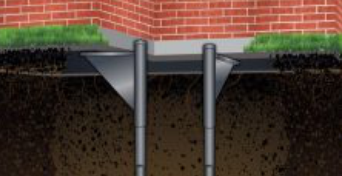
Steel pipe is then hydraulically pushed under the foundation footing until bedrock or load bearing strata is reached.
A hydraulic lifting jack will then be used to either raise the foundation or stabilize it in its current position.
The pier is then locked into position and the hole is backfilled.
ADVANTAGES OF STEEL PIERS
- The first and most important benefit of steel piers is the provision of better structural strength. The strength and reliability of a foundation and construction project depends on the depth of the piers. In general, steel piers go deeper than any other type of pier. Although the average insertion depth for steel piers is 20-25 feet, they can be inserted up to 50 feet into the ground, especially for the tall buildings that call for a much sturdier foundation. However, several different factors, type of soil included, can influence the average depth when it comes to inserting steel piers. In comparison, concrete piers are less strong and can only go as far as 10-12 feet into the load bearing bedrock. As a result, they are not as reliable as steel piers, particularly when constructing skyscrapers.
- A steel pier foundation repair eliminates the need for further repair work. Aside from being solid and not featuring any loose parts or shims, steel piers are unyielding, reliable, consistent, and durable. Because of these qualities, steel piers offer a permanent foundation repair solution, unlike every other option. Although it might be a slow process, other types of piers such as concrete will most certainly degrade over time, which means the solution offered will not last for very long. Because of the strength, durability, reliability, and consistency of steel piers, you can construct your foundation without having to worry about any probable point of failure.
- Pricing is another notable difference between steel and concrete piers. As it happens, steel piers are more expensive and harder to engineer than their concrete-based counterparts. However, steel piers are also a lot stronger, stable, and durable, all of which contribute to the fact that you will not need any further repairs if you choose this option. As a result, steel piers can be a lot more cost-effective in the long run despite being available at a higher initial price than concrete piers.
- The process of inserting steel piers into the load-bearing bedrock is usually quick and straightforward, especially since they are driven into the ground hydraulically. A steel pier foundation repair is also friendly to the environment and minimally invasive since the excavations involved are never extensive. Because they require minimal excavation, steel piers do not interfere with the landscape much and are, therefore, not as detrimental to flora and fauna as those that call for extensive excavations.
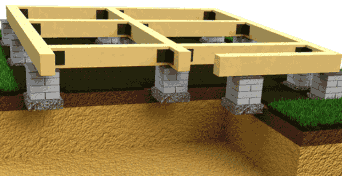
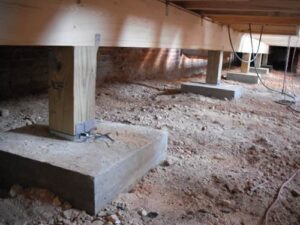 A Pier & Beam System is traditionally used when a property, has a crawl space regardless if house or a commercial property. Properties like these present unique structural issues, requiring a detailed and skilled evaluator along with a professionally driven installation crew to resolve leveling issues.
Unlike your traditional concrete slab, the pier and beam system is made of wood. Thus when a wood component rots you must replace this component or risk having everything collapse around you.
It is worth mentioning that we used 8x8x16 inch blocks and 24×24 inch foundation footings.
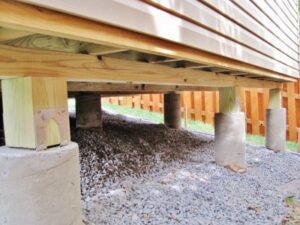
PIER AND BEAM SYSTEM ADVANTAGES
- Stability Over Time: One of the main pier and beam foundation benefits is stability over time on loose soil. If you’re building on soft ground, or on soil that expands and contracts due to moisture, a slab foundation may shift. Since pier and beam designs are similar to building on stilts, they allow for a crawl space between the ground and your home. This means there will be little shift in your foundation as the years go by.
- Easy Access to Utilities: Another perk of the crawl space between your home and the earth is easier access to utilities. If you want to add a bathroom, or rewire cable or electricity it will be a breeze with a pier and beam foundation.
- Less Likely to Flood: Since pier and beam foundations are usually elevated approximately 2’ off the ground, they are less prone to minor or moderate flooding. If you live in a flood prone area, you may want to choose to build your home with a pier and beam foundation for this reason alone.